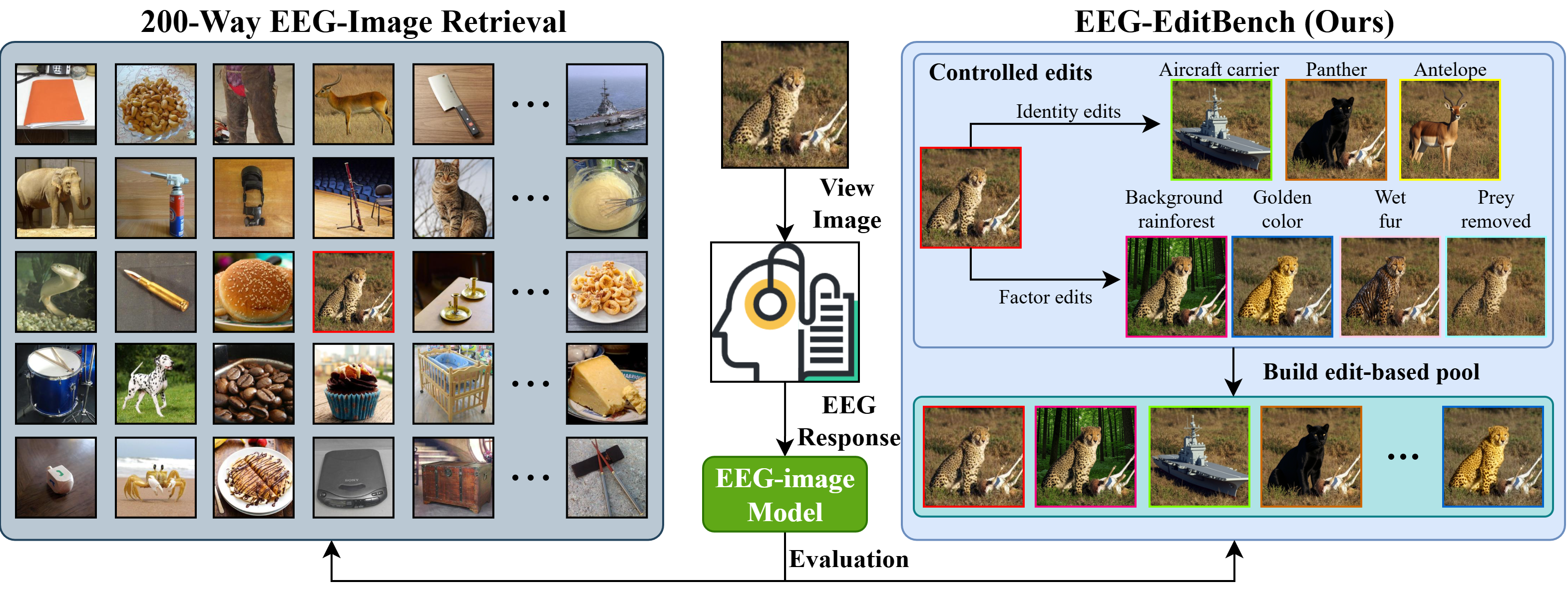
Recent EEG-to-image retrieval models have achieved strong performance in identifying viewed images from semantically diverse candidates. Yet such success does not reveal what visual information supports the match. A model may readily identify a cheetah among tools, plants, and vehicles, but can it still distinguish the viewed cheetah from the same scene with the cheetah replaced by a dog? Motivated by this question, we introduce EEG-EditBench, a diagnostic benchmark that examines this question through controlled edits of object identity, attributes, background, and object presence. Built from the 200 THINGS-EEG2 test images, EEG-EditBench contains 2,137 quality-controlled edits and evaluates eight representative EEG visual decoding models. Our results show that strong standard retrieval does not consistently transfer to edit-based evaluation, with fine-grained attribute changes presenting the greatest challenge. EEG-EditBench reveals model behavior hidden by aggregate retrieval accuracy and provides a controlled basis for studying what visual information EEG–image models preserve. The code and complete dataset are available through the project repository.
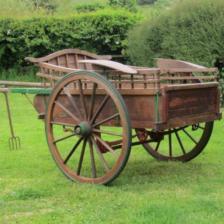
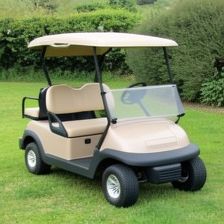

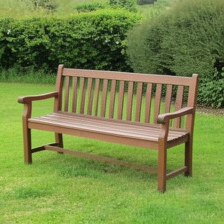


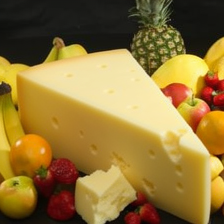






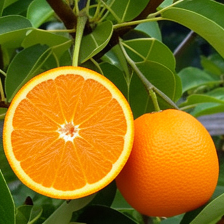

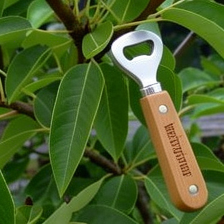










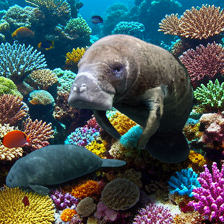




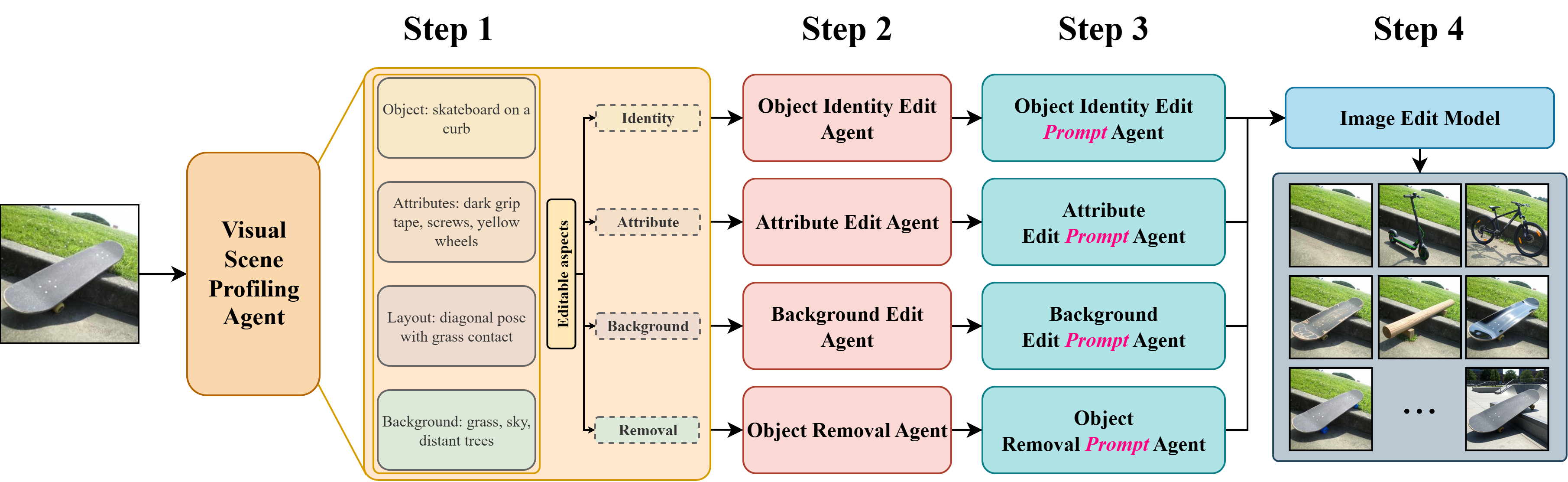
A vision-language model first profiles each source image, then proposes edit targets and prompts for four edit families. An image-editing model generates candidate edits, which are quality-controlled and filtered to form the final benchmark.
EEG-EditBench is built on the THINGS-EEG2 project. The recordings can be downloaded from the official OSF repository.
We thank the authors of the following open-source projects:
@misc{zhang2026eegeditbench,
  title         = {EEG-EditBench: Probing Visual Information in EEG--Image Retrieval Models with Controlled Image Edits},
  author        = {Kaifan Zhang and Lihuo He and Yuqi Ji and Junjie Ke and Lukun Wu and Tianhao You and Xinbo Gao},
  year          = {2026},
  eprint        = {2607.27857},
  archivePrefix = {arXiv},
  url           = {https://arxiv.org/abs/2607.27857}
}